my trip last fall via reykjavik was filled with music. the airwaves festival is such a cornucopia of music that the overlapping shows have you first devastated: you find yourself standing in line for phantogram and patrick wolf while you know you're missing out on some other great name. later on it is a relief to realize that just sitting down, sipping a beer anywhere in the city offers something great to listen to. even the off-venue program is so extensive that your brain will be intoxicated with sound.
stella reminded me of one of the songs i sang and hopped along during the long weekend, and i realized that there were so many sounds i was unfamiliar with before that i should probably share the gems – not all of them icelandic – with y'all.
sóley's quiet, dreamy pop reminds me of stina nordenstam. her acoustic gig at a cafe was amazingly calming and soothing.
danish nelson can, a girl group with a rough lo-fi sound, rocked a small bar venue. it was definitely one of my absolute favorites.
of monsters and men seemed to be the band of the moment in the icelandic music export. they were the most buzzed and anticipated local show in harpa and had the international crowd singing along excitedly.
the double take of elín ey – as the singer songwriter with a guitar and as a part of the sisy ey electronic group – displayed a stylish queer talent that was understandably followed around by a doting entourage everywhere she went.
another visible presence around town during the weekend was retro stefson and their lead singer unnsteinn manuel stefánsson who featured in several of the live sets we stumbled into from the smallest bar venue – including a great hip hop show with icelandic lyrics that just took away although we had no idea what was going on – to the their own show at the harpa main stage.
the bubblegum queen thorunn antonia offered a set of happy pop songs the likes of annie that brought a smile on our faces and a wiggle to our toes.
bloodgroup had harpa dancing with their electronic beats late into the night.
finally, elektro guzzi and their intoxicating live set at the little upstairs club venue. sweat. no cloakroom. more beer, more sweat.
if you ever wanted to visit iceland, airwaves is definitely a bad choice to book a trip for.

Sunday, February 24, 2013

Wednesday, February 20, 2013
diamonds falling from grace.
three years ago i was quite in tune with my inner bookworm judging from a little note i wrote about admiration. nevertheless, being the one-click addict that i am, my amazon shipments have lately included a couple of memoirs – literature i knew to steer clear of before.
judging from how i feel right now, i probably should have kept on avoiding them.
since i never really discuss books here, this may seem an odd way to start – although i am not promising any continuance – but here goes nothing.
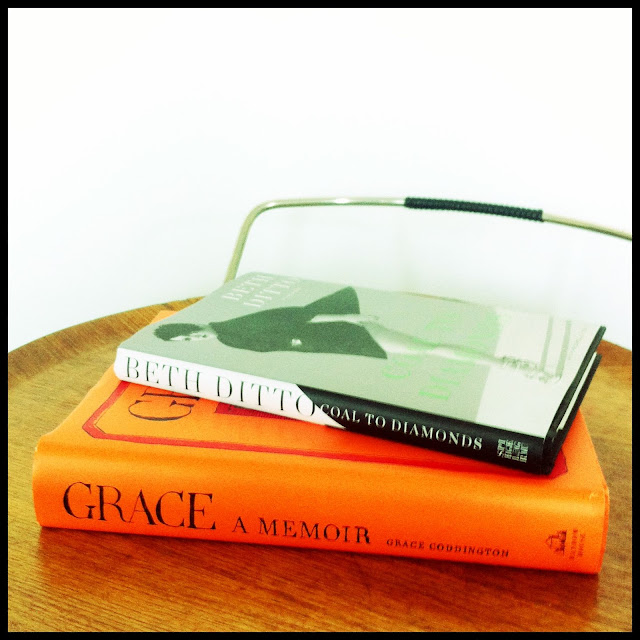
i adore beth ditto. i love the gossip. one of my most memorable starstruck moments was when i met her, post-show and after complimenting her singing she gave me the warmest, squishiest hug in the world.
it might have been the single incident that promoted a feeling that i already somehow was connected to her, that despite my overall hesitation to indulge in autobiographical storytelling, that regardless of my understanding of the perilous nature of stories describing subjective facts, that now, here, somehow it would be different.
her memoir, coal to diamonds, started as a light read that i trudged through. the unfastidious language annoyed me throughout, but it was really the structure – or lack of – that became increasingly irritating towards the end. it would be kind to describe the narrative as stream-of-consciousness or circular. truthfully, it was just a messy turmoil with no shape and time-leaps that were nothing short of confusing.
i will try to avoid the potholes of creating a mental image of beth as simple, actually i refuse to believe it, but the memoir's insights offer very little substance with heights such as – and excuse me for paraphrasing – not all people who look like punks embrace the punk mentality or queer people do not all share the same political agenda. the more interesting, complex personal-is-political issues – riot grrl, fat-positive thinking – were merely touched upon and not explained to the uneducated reader.
perhaps a good editor could have pulled this one up from its sad state that was, quite honestly, a waste of paper and time. far better queer coming-of-age stories come from jeannette winterson and, for example, ivan e. coyote – but they happily call them semi-autobiographical.
you can imagine the dread i felt yesterday afternoon when i picked up grace coddington's memoir grace. compared to the ditto version, her's is at least double the length – comparable with their respective ages – and i was afraid i would not finish it. my time is more precious than that. this morning over my cup of coffee, i turned the last page.
it was clear from page one that this was an eloquently written and well-edited story. nevertheless, after a few more pages, i already knew why my literature of choice stays on the fiction side of things: made-up stories are so much more real and insightful than actual life lived and described...
grace was a collection of entertaining dinner party anecdotes suitable for a night with acquaintances; the stories revealed only the surface of their protagonist although providing insight into the world of fashion editing. the amount of dispensable namedropping at times felt rather ridiculous, but otherwise the accounts of adventures with famous household names provided a peek into a life normally hidden from mere mortals.
perhaps i will stick to fiction from now on then.
judging from how i feel right now, i probably should have kept on avoiding them.
since i never really discuss books here, this may seem an odd way to start – although i am not promising any continuance – but here goes nothing.

i adore beth ditto. i love the gossip. one of my most memorable starstruck moments was when i met her, post-show and after complimenting her singing she gave me the warmest, squishiest hug in the world.
it might have been the single incident that promoted a feeling that i already somehow was connected to her, that despite my overall hesitation to indulge in autobiographical storytelling, that regardless of my understanding of the perilous nature of stories describing subjective facts, that now, here, somehow it would be different.
her memoir, coal to diamonds, started as a light read that i trudged through. the unfastidious language annoyed me throughout, but it was really the structure – or lack of – that became increasingly irritating towards the end. it would be kind to describe the narrative as stream-of-consciousness or circular. truthfully, it was just a messy turmoil with no shape and time-leaps that were nothing short of confusing.
i will try to avoid the potholes of creating a mental image of beth as simple, actually i refuse to believe it, but the memoir's insights offer very little substance with heights such as – and excuse me for paraphrasing – not all people who look like punks embrace the punk mentality or queer people do not all share the same political agenda. the more interesting, complex personal-is-political issues – riot grrl, fat-positive thinking – were merely touched upon and not explained to the uneducated reader.
perhaps a good editor could have pulled this one up from its sad state that was, quite honestly, a waste of paper and time. far better queer coming-of-age stories come from jeannette winterson and, for example, ivan e. coyote – but they happily call them semi-autobiographical.
you can imagine the dread i felt yesterday afternoon when i picked up grace coddington's memoir grace. compared to the ditto version, her's is at least double the length – comparable with their respective ages – and i was afraid i would not finish it. my time is more precious than that. this morning over my cup of coffee, i turned the last page.
it was clear from page one that this was an eloquently written and well-edited story. nevertheless, after a few more pages, i already knew why my literature of choice stays on the fiction side of things: made-up stories are so much more real and insightful than actual life lived and described...
grace was a collection of entertaining dinner party anecdotes suitable for a night with acquaintances; the stories revealed only the surface of their protagonist although providing insight into the world of fashion editing. the amount of dispensable namedropping at times felt rather ridiculous, but otherwise the accounts of adventures with famous household names provided a peek into a life normally hidden from mere mortals.
perhaps i will stick to fiction from now on then.
Tuesday, February 19, 2013
contemporary toothpaste, say what?
there is something inherently ridiculous about what i will write about next. but since i have no shame and find happiness in the smallest details, here goes nothing.
toothpaste, the most mundane thing.
i have written in quite significant length about my dishcloth before, so perhaps this is simply the natural step towards utter disaster.
yes, i am writing about toothpaste. in a tube.
but what a tube! i am a sucker for great packaging and surround myself with as beautiful everyday objects as humanly possible. needless to say, i refuse to believe that it does not matter what kind of artifacts go through one's hands daily. that is, visual information in addition to tactile stimuli and fragrances surround whatever chores we need to perform. hence, it makes sense to make the most of those moments of possible dullness.
perhaps creating sensible moments from little, boring activities lowers the need for excitement rushes of special occasions. however, it may just be my subjective experience, but elevating the everyday does not seem to diminish the height of celebration. it just provides repetitions of pleasure where you least expect them. or, in my case, have learned to expect and appreciate them.
the marvis website is worth an aesthetically inclined visit in itself. as far as content goes, my favorite is ginger mint. i love ginger in all forms and the availability of it sealed the deal.
ridiculous or not, i love it.
toothpaste, the most mundane thing.
i have written in quite significant length about my dishcloth before, so perhaps this is simply the natural step towards utter disaster.
yes, i am writing about toothpaste. in a tube.
but what a tube! i am a sucker for great packaging and surround myself with as beautiful everyday objects as humanly possible. needless to say, i refuse to believe that it does not matter what kind of artifacts go through one's hands daily. that is, visual information in addition to tactile stimuli and fragrances surround whatever chores we need to perform. hence, it makes sense to make the most of those moments of possible dullness.
perhaps creating sensible moments from little, boring activities lowers the need for excitement rushes of special occasions. however, it may just be my subjective experience, but elevating the everyday does not seem to diminish the height of celebration. it just provides repetitions of pleasure where you least expect them. or, in my case, have learned to expect and appreciate them.
the marvis website is worth an aesthetically inclined visit in itself. as far as content goes, my favorite is ginger mint. i love ginger in all forms and the availability of it sealed the deal.
ridiculous or not, i love it.
 |
| pretty, now aren't they? thank you inke, fellow crusader in the world of meaningful superficiality. |
Friday, February 15, 2013
diamond rings – i don't need them.
berlin based D E N A brings booty shaking rhythms with a hint of her native bulgaria peeking into the soundscape. the minimalist beat is something i, as an old electro girl, cannot resist. all i want is chill with my friends by the swimming pools...
performing live tonight at siltanen. i'll be there, you should, too.
performing live tonight at siltanen. i'll be there, you should, too.
Wednesday, February 13, 2013
love like you've never been hurt.
greetings from berlin! in addition to exercise there are few things in life that lift your serotonin levels like a trip in the company of great women.
i am not sure what in berlin strikes me as full of life. in itself the concrete gloominess is brightened only by street art and tivoli lights marking restaurants and stores this time of the year. the magnificent promenades are not lined by lush trees as they are from spring till fall, but somehow there is a buzz.
the mecca of cheap breakfasts and beer (that is better value than water) is something of a haven for a foodie on a budget like myself. moreover, since the weather did not exactly favor long strolls around the city – it was piercingly cold and rather humid even when the rain was not turning into sleet – we took advantage of our cosy apartment in friedrichshain, the little bars in the neighborhood and a myriad of ethic restaurants.
the neighborhood was familiar to the rest of the pack, but offered plenty of new for me. my last trip centered around kreutzberg and it was gratifying to dive into the nooks of new blocks and streets.


the most important part of traveling are without a doubt your companions. our group dynamic consisted of plenty of impromptu craziness, but also the power of life experience, sensitivity and intelligence that was not necessarily the academic kind. there was room to breath and to air out the most embarrassing and humiliating details without feeling crushed by a condescending attitude whether it was past hurts and issues of trust, the pain of missing our kids, the uncertainties of creativity or whether the store downstairs was too far for another round of drinks.
the travel records of my lovely companions can be checked out (in finnish only, i'm afraid, but with better pics than mine, naturally) at stella's, dorit's two and jenni's blogs.
love you all.
 |
| ready to take off. |
 |
| morning view. |
i am not sure what in berlin strikes me as full of life. in itself the concrete gloominess is brightened only by street art and tivoli lights marking restaurants and stores this time of the year. the magnificent promenades are not lined by lush trees as they are from spring till fall, but somehow there is a buzz.
 |
| prenzlauer berg. |
 |
| friedrichshain. |
 |
| kreutzberg. |
the mecca of cheap breakfasts and beer (that is better value than water) is something of a haven for a foodie on a budget like myself. moreover, since the weather did not exactly favor long strolls around the city – it was piercingly cold and rather humid even when the rain was not turning into sleet – we took advantage of our cosy apartment in friedrichshain, the little bars in the neighborhood and a myriad of ethic restaurants.
 |
| elfida brunch buffet. |
 |
| stella at the perennial favorite, elfida. |
 |
| pie at the intimes. |
 |
| margaritas as my favorite from last visit, santa maria. |
 |
| little sweetness from downstairs: the nuss ring. |
the neighborhood was familiar to the rest of the pack, but offered plenty of new for me. my last trip centered around kreutzberg and it was gratifying to dive into the nooks of new blocks and streets.


the most important part of traveling are without a doubt your companions. our group dynamic consisted of plenty of impromptu craziness, but also the power of life experience, sensitivity and intelligence that was not necessarily the academic kind. there was room to breath and to air out the most embarrassing and humiliating details without feeling crushed by a condescending attitude whether it was past hurts and issues of trust, the pain of missing our kids, the uncertainties of creativity or whether the store downstairs was too far for another round of drinks.
the travel records of my lovely companions can be checked out (in finnish only, i'm afraid, but with better pics than mine, naturally) at stella's, dorit's two and jenni's blogs.
love you all.
 |
| i returned home at 6.30 am from dancing and went looking for some love in the room next door. they took a picture. gee thanks. |
Wednesday, February 6, 2013
gusty travels.
on my way to nyc last november, i realized a long awaited dream of mine. visiting iceland had been on the list of to-dos for years, and the opportunity presented itself almost accidentally.
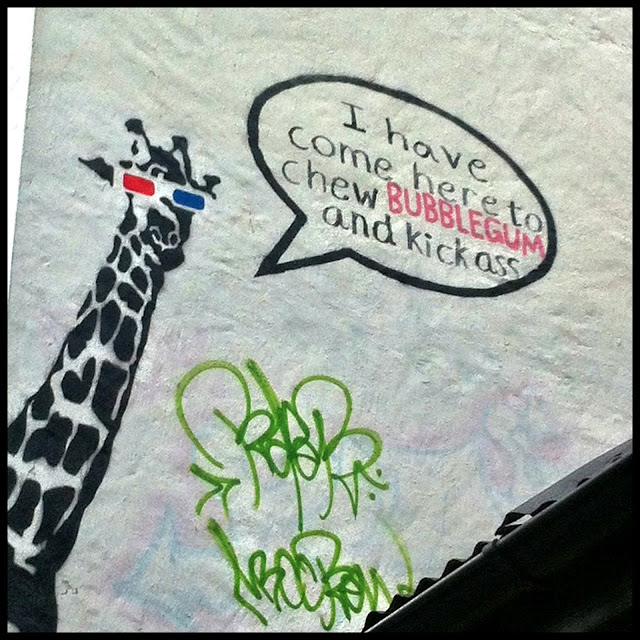
friends were heading over to airwaves festival in reykjavik and offered their couch for me to crash on on my way. the layover on icelandair costs no extra, so well, why the hell not.
the festival packs the city with music fans from all over the world, and therefore my experience probably wasn't the most typical in reykjavik. for example, i've heard you only need a couple of days and end up knowing the locals and becoming a regular customer at your favorite spots. the city is small, granted, and the local people are friendly, but the selection of inviting bars and restaurants is quite extensive, really, and i could not pick my favorite.
i was expecting mind-blowing nature and was delivered an amazing scenery unlike anything i've ever seen before. one day we took a ride around the golden circle, a popular tourist route with geysers, volcanic lakes and icy waterfalls. the strange, barren landscape inescapably reminded nothing familiar and turning corners revealed sights that seemed indefinitely novel.

we were also greeted by the tropical (!!) storm rosa with winds that quite literally blew me off the street. at times on all fours, mostly hanging on to street signs and chains lining pedestrian walkways, we managed to get around in the city during the storm. the locals were startled but in a country where the rental cars all sport a sticker that instructs to open the doors carefully because of gusty winds, i guess it wasn't that radical.
my favorites were still the unexpected human interventions, such as a small chapel in the middle of nowhere next to a private farmhouse and a summer house trailer park. the round and cuddly sheep stared back at us and run away ruining every single photo opportunity. the ponies with their wild hair. the smell of rotten eggs everywhere as a source of endless fart jokes – yes, we are that lame.
the first performers at next year's airwaves festival are out. cannot wait to go.

friends were heading over to airwaves festival in reykjavik and offered their couch for me to crash on on my way. the layover on icelandair costs no extra, so well, why the hell not.
the festival packs the city with music fans from all over the world, and therefore my experience probably wasn't the most typical in reykjavik. for example, i've heard you only need a couple of days and end up knowing the locals and becoming a regular customer at your favorite spots. the city is small, granted, and the local people are friendly, but the selection of inviting bars and restaurants is quite extensive, really, and i could not pick my favorite.
i was expecting mind-blowing nature and was delivered an amazing scenery unlike anything i've ever seen before. one day we took a ride around the golden circle, a popular tourist route with geysers, volcanic lakes and icy waterfalls. the strange, barren landscape inescapably reminded nothing familiar and turning corners revealed sights that seemed indefinitely novel.

 |
| gullfoss waterfall. |
 |
| a chair next to the geysers. |
we were also greeted by the tropical (!!) storm rosa with winds that quite literally blew me off the street. at times on all fours, mostly hanging on to street signs and chains lining pedestrian walkways, we managed to get around in the city during the storm. the locals were startled but in a country where the rental cars all sport a sticker that instructs to open the doors carefully because of gusty winds, i guess it wasn't that radical.
 |
| seriously hanging on. i actually used those chains to get forward. |
my favorites were still the unexpected human interventions, such as a small chapel in the middle of nowhere next to a private farmhouse and a summer house trailer park. the round and cuddly sheep stared back at us and run away ruining every single photo opportunity. the ponies with their wild hair. the smell of rotten eggs everywhere as a source of endless fart jokes – yes, we are that lame.
 |
| trailer park hugged by the mountain ridge. |
 |
| graffiti in the middle of nowhere. |
 |
| sheep running away. again. |
 |
| finnish store. |
 |
| chapel at a farm. |
 |
| reykjavik idea of subtle. |
 |
| amazing paint jobs. |
the first performers at next year's airwaves festival are out. cannot wait to go.
Tuesday, February 5, 2013
i don't like your fashion business, mister.
first i took manhattan, then i take berlin – with my monkey and plywood violin. i told you, i told you, told you, i was one of those.
more to follow.
more to follow.
Wednesday, January 30, 2013
neighborhood recommendation #24: russian.
eastern european and former soviet cuisines were and are among my favorites ever since i lived in nyc. night visits to veselka are fondly remembered and just thinking about the little delis serving pierogis makes my mouth water. stuffed cabbage, blini, pelmeni, red peppers and smetana are all little pieces of heaven during the cold winter months.
helsinki, surprisingly, does not offer ukrainian food. russian is also rare: there are less than five restaurants in town although blinis are served during a certain, wintery time in the year all over the place.
however, there is pelmenit: a small, greasy and rather stinky place where the welcome is always warm but blunt, the food properly fried and you leave stuffed every single time. the selection varies, but there is always at least one vegetarian option on offer.
for the perfect comfort food craving, i wholeheartedly recommend.
helsinki, surprisingly, does not offer ukrainian food. russian is also rare: there are less than five restaurants in town although blinis are served during a certain, wintery time in the year all over the place.
however, there is pelmenit: a small, greasy and rather stinky place where the welcome is always warm but blunt, the food properly fried and you leave stuffed every single time. the selection varies, but there is always at least one vegetarian option on offer.
for the perfect comfort food craving, i wholeheartedly recommend.
 |
| veggie stuffed crepes. fried, naturally... |
Tuesday, January 29, 2013
Tuesday, January 22, 2013
bklyn.
i realized last summer that i had not had the opportunity to enjoy the holidays that i had earned. since i worked for a project that lasted only till the end of the year, i was presented with a few weeks of leisure. add overtime, and there was plenty.
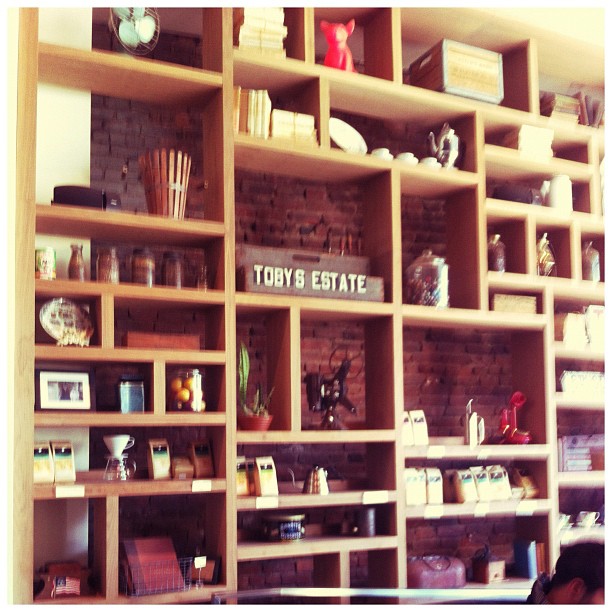
toby's estate.
my daily javafix was taken care of either here or at blue bottle coffee (that i have mentioned before). toby's is better for hanging out: comfortable, spacey and inviting. (blue bottle is more of a visit to a lab which you leave with the perfect pour over.) they offer excellent single origins with enough information to help you choose the perfect cup.
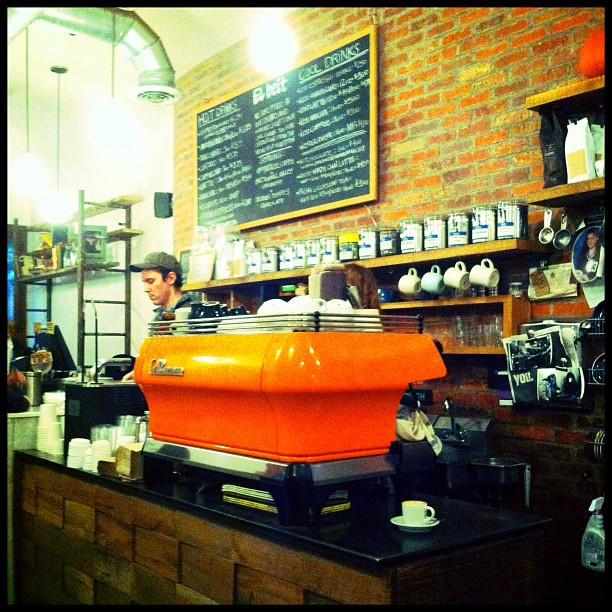
el beit.
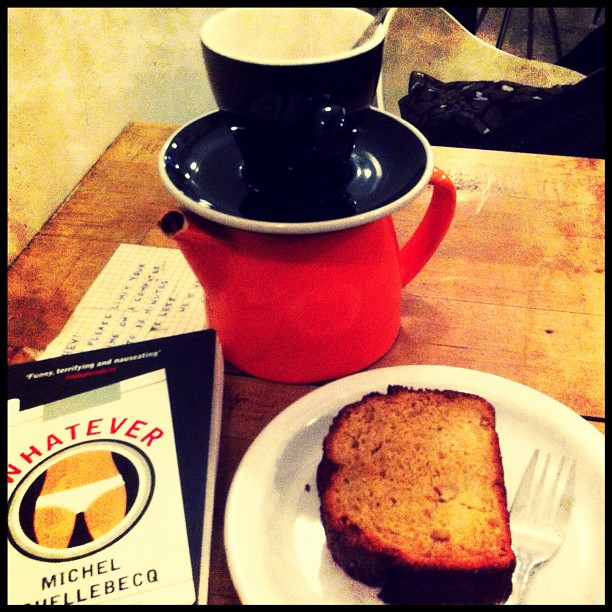
another small coffee shop where i liked to sip a hot drink and read my book was on bedford. perfect indie soundtrack, organic teas and beautiful fresh cakes, like my pear and ginger loaf served in an urban rustic setting.
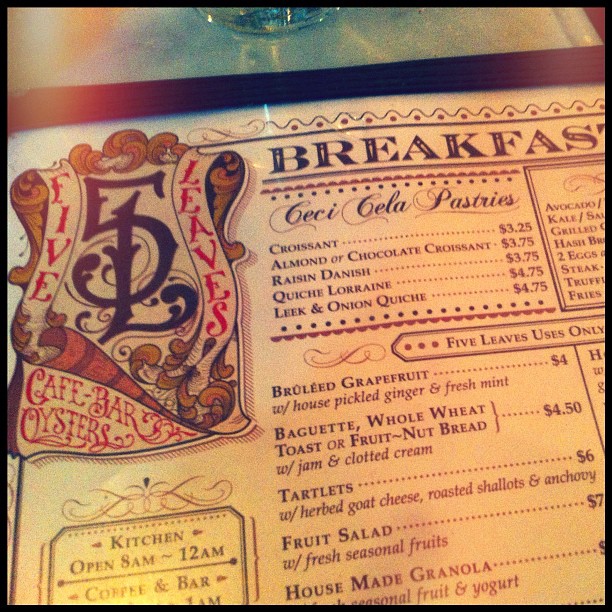
egg.
for the perfect brunch that soothes every nerve in your body. organic and local, carefully prepared. served with a calm. and they give you crayons if the smoothness of everything gets a little too balsamic for your taste. just grab a color and go crazy on the tablecloth.
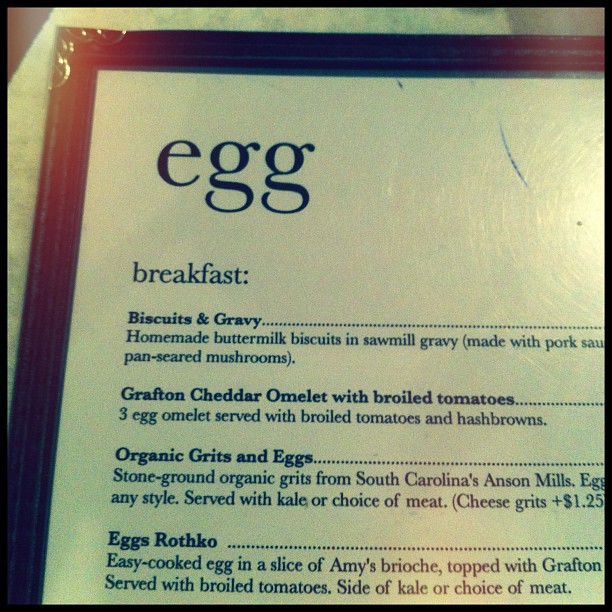

brooklyn label.
another great brunch spot is up in greenpoint. the chipped paint, the crammed bar and lines of locals who just grab a coffee to go make it homey even for a visitor. definitely not touristy, yet, the wait is still about an hour on weekends. a good tip is to walk in for the waiting list and stroll down the street to word for a great book.
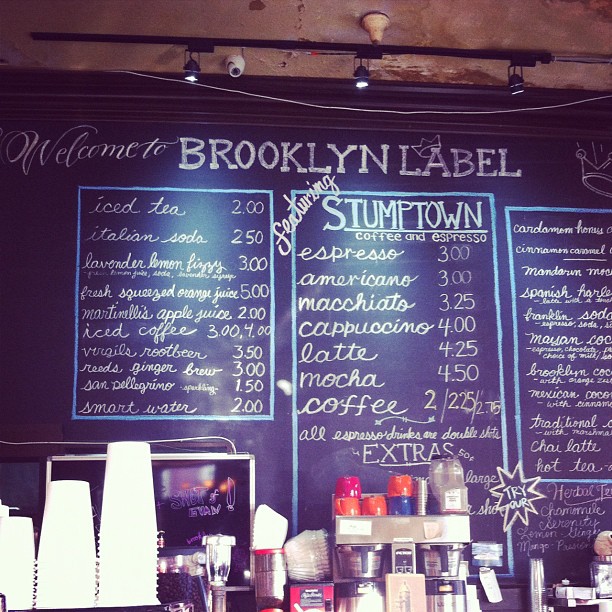
m shanghai.
for dumplings, there is really no need to go to chinatown. dough-covered yumminess is available right on grand, in the new location of m shanghai just a block from their original spot. the indie diner vibe is still there, as is the tattooed staff, and the food as sumptuous as ever.

samurai mama.
nothing makes me feel better jet lagged that a hot bowl of soup. udon with a fully flavored broth might just about cure all your ailments. no, actually, i am sure it will.
café de la esquina.
although nowadays you can get decent mexican street food in helsinki, too, a proper fish taco experience is something i truly cherish on my trips to nyc. this old, glitzy diner brings simple and beautiful mexican tacos and quesadillas to the table. fresh and lovely.
lobster joint.
forget hotdogs, it's time for a little more elevated street snack. everyone in nyc seems to have been raving about lobster rolls for a couple of years now, but i finally had my chance with the scissory suckers. it is slightly more pricey than your average meat-in-a-bun, but here the value for money is definitely at its best: lots of lobster, fresh herb mayo, fries and a pickle. served fast, hot and to be eaten standing up. serious business, i say.
the meatball shop.
don't let the name fool ya, there's plenty for a vegetarian to enjoy at the meatball shop. they serve great veggie balls, sliders, smashes and a mouthwatering selection of sides. and if you visited linnanmäki kattila last summer, you'll see where the inspiration for their meatball menu came from... imitation is the highest form of flattery.
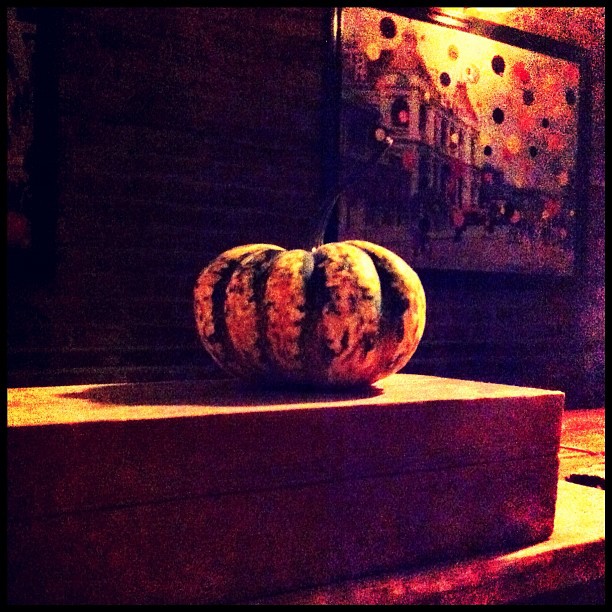
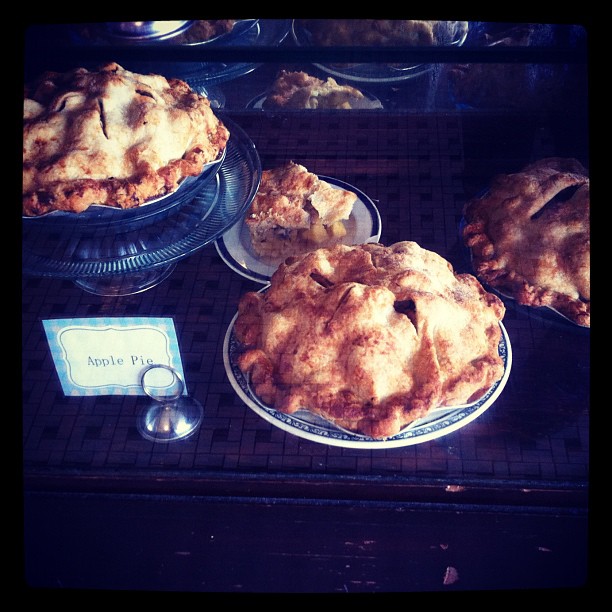
the blue stove.
i hardly ever eat dessert. my sweet tooth got snatched by the tooth fairy around the time i turned 22, and it's been awol ever since. however, on my trips i seem to get beside myself thinking about pie, cakes and donuts. especially pie. american bakeries and diners offer the most amazing pies with crusts that are never too sweet and where the fruit is tart and fresh. and then there is blue stove with a gazillion huge pies just waiting for me to turn into jabba the hut. decisions, decisions. i dare you to leave after eating just one slice...

momofuku milk bar.
when sweet is not sweetness enough, there is crack pie. a heavy slice of sugar, butter, more sugar, more butter, some cream and milk and some more sugar. and a rather heavy pinch of salt, just to perfect it. once you have a taste, the name will seem natural. trust me.
well, it seems ate my way through brooklyn.
last fall there were five weeks left, so on a plane i hopped to see a dear friend.
sandy had visited just a few days before, and i landed into a city that was moved by donation rallies, a barely working subway system, was to be hit by a blizzard only a few days afterwards and where everyone felt anxious about the coming presidential election. an exciting time to be in the heart of everything, then.
for me, the fact that manhattan was hardly accessible did not matter. only the j train was running for half the time i was there, but i am completely comfortable in brooklyn and ended up visiting the island twice: once to see a doctor for a strep throat that devastated me for a few days and once to see a friend and visit a couple of museums. greenpoint, williamsburg and bushwick were plenty and, most importantly, a walking distance from my base.
because i am fond of eating, i spent my days flaneuring and enjoying the incredible food. it is handy that i have a local foodie taking me around: the city changes constantly and it is incredibly hard to keep up. lucky me was instantly handed a list of places worthy of visits during the day, and at night we picked dinner and cocktail spots that were, truly, amazing.
here are some of my favorite places to stuff my guts.
toby's estate.
my daily javafix was taken care of either here or at blue bottle coffee (that i have mentioned before). toby's is better for hanging out: comfortable, spacey and inviting. (blue bottle is more of a visit to a lab which you leave with the perfect pour over.) they offer excellent single origins with enough information to help you choose the perfect cup.
 |
| guatemalan single origin coming up. |
 |
| hanging out at toby's. |

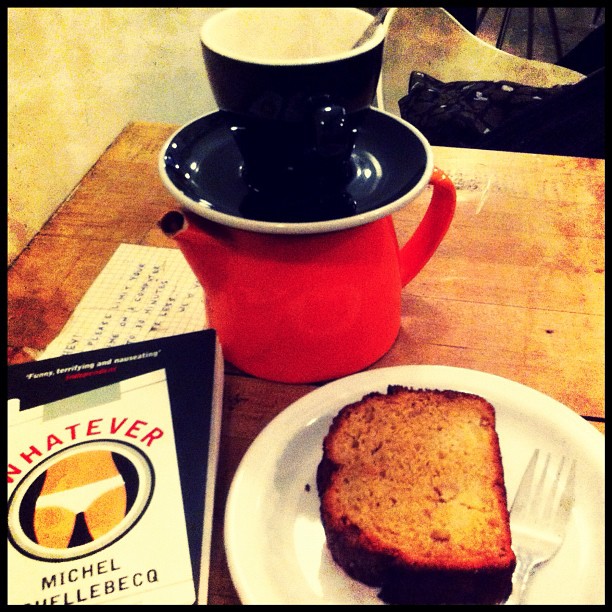
el beit.
another small coffee shop where i liked to sip a hot drink and read my book was on bedford. perfect indie soundtrack, organic teas and beautiful fresh cakes, like my pear and ginger loaf served in an urban rustic setting.

for breakfast there is nothing more incredible than their ricotta pancakes. everything else is good, too. getting in for brunch on the weekends may take up to five hours, but is probably worth the wait – if you cannot make it in during the week, that is.

 |
| the ricotta pancakes. the size of the banana halves give you an idea of the portion. the dollop on top is maple butter. i am serious: this is heaven on earth. |
egg.
for the perfect brunch that soothes every nerve in your body. organic and local, carefully prepared. served with a calm. and they give you crayons if the smoothness of everything gets a little too balsamic for your taste. just grab a color and go crazy on the tablecloth.
 |
| eggs rothko. |


brooklyn label.
another great brunch spot is up in greenpoint. the chipped paint, the crammed bar and lines of locals who just grab a coffee to go make it homey even for a visitor. definitely not touristy, yet, the wait is still about an hour on weekends. a good tip is to walk in for the waiting list and stroll down the street to word for a great book.

 |
| artichoke mash and veggie sausage. |
m shanghai.
for dumplings, there is really no need to go to chinatown. dough-covered yumminess is available right on grand, in the new location of m shanghai just a block from their original spot. the indie diner vibe is still there, as is the tattooed staff, and the food as sumptuous as ever.

samurai mama.
nothing makes me feel better jet lagged that a hot bowl of soup. udon with a fully flavored broth might just about cure all your ailments. no, actually, i am sure it will.
 |
| sansai udon. |

café de la esquina.
although nowadays you can get decent mexican street food in helsinki, too, a proper fish taco experience is something i truly cherish on my trips to nyc. this old, glitzy diner brings simple and beautiful mexican tacos and quesadillas to the table. fresh and lovely.
 |
| pescado a la brasas taco. |
lobster joint.
forget hotdogs, it's time for a little more elevated street snack. everyone in nyc seems to have been raving about lobster rolls for a couple of years now, but i finally had my chance with the scissory suckers. it is slightly more pricey than your average meat-in-a-bun, but here the value for money is definitely at its best: lots of lobster, fresh herb mayo, fries and a pickle. served fast, hot and to be eaten standing up. serious business, i say.
 |
| new england lobster roll. |
the meatball shop.
don't let the name fool ya, there's plenty for a vegetarian to enjoy at the meatball shop. they serve great veggie balls, sliders, smashes and a mouthwatering selection of sides. and if you visited linnanmäki kattila last summer, you'll see where the inspiration for their meatball menu came from... imitation is the highest form of flattery.
 |
| we stumbled in during the blizzard and secured a seat without waiting. probably the only night out in brooklyn when everything was almost empty... perfect weather for some hearty food. |
the blue stove.
i hardly ever eat dessert. my sweet tooth got snatched by the tooth fairy around the time i turned 22, and it's been awol ever since. however, on my trips i seem to get beside myself thinking about pie, cakes and donuts. especially pie. american bakeries and diners offer the most amazing pies with crusts that are never too sweet and where the fruit is tart and fresh. and then there is blue stove with a gazillion huge pies just waiting for me to turn into jabba the hut. decisions, decisions. i dare you to leave after eating just one slice...
 |
| pumpkin pie. |


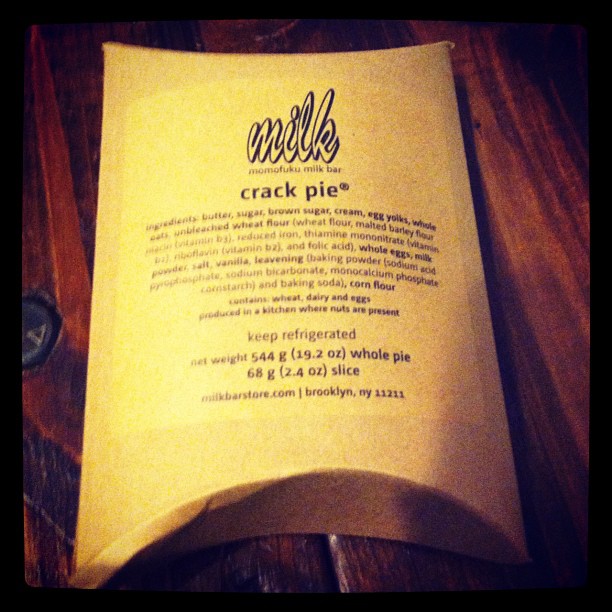
momofuku milk bar.
when sweet is not sweetness enough, there is crack pie. a heavy slice of sugar, butter, more sugar, more butter, some cream and milk and some more sugar. and a rather heavy pinch of salt, just to perfect it. once you have a taste, the name will seem natural. trust me.

 |
| do not let the looks deceive you. this is crack. |
well, it seems ate my way through brooklyn.
Subscribe to:
Posts (Atom)